

Immersive VR & AR Training Simulations
for Technical Teams
Isocline Labs builds interactive training environments that help technicians practice procedures, identify hazards, and understand complex systems before working in the real world.
Current Traction
Isocline Labs develops immersive VR and AR training simulations for technical and industrial teams. We are currently focused on simulation-based learning, interactive procedures, and real-world training use cases across energy, engineering, and industrial environments, with over 5 active projects.
What We Build
We transform complex technical procedures and environments into highly interactive, immersive simulations.
Contactarrow_forwardVR Training Environments
Full-scale immersive simulations for complex procedural learning.
AR Awareness Tools
Mobile-based visualization for product demos and safety walkthroughs.
Technical Product Demos
Interactive marketing and sales tools for complex industrial equipment.
Assessment Tracking
Data-driven performance tracking and training completion reports.
Recent Project Highlight
A recent example of Isocline Labs' work across mobile applications, AR integration, and industrial digital workflows.
Sahhal.AI
A recent B2B mobile application project for industrial workers, designed to support machine maintenance and on-site technical assistance. Isocline Labs contributed to the mobile app experience and AR integration as part of the project.
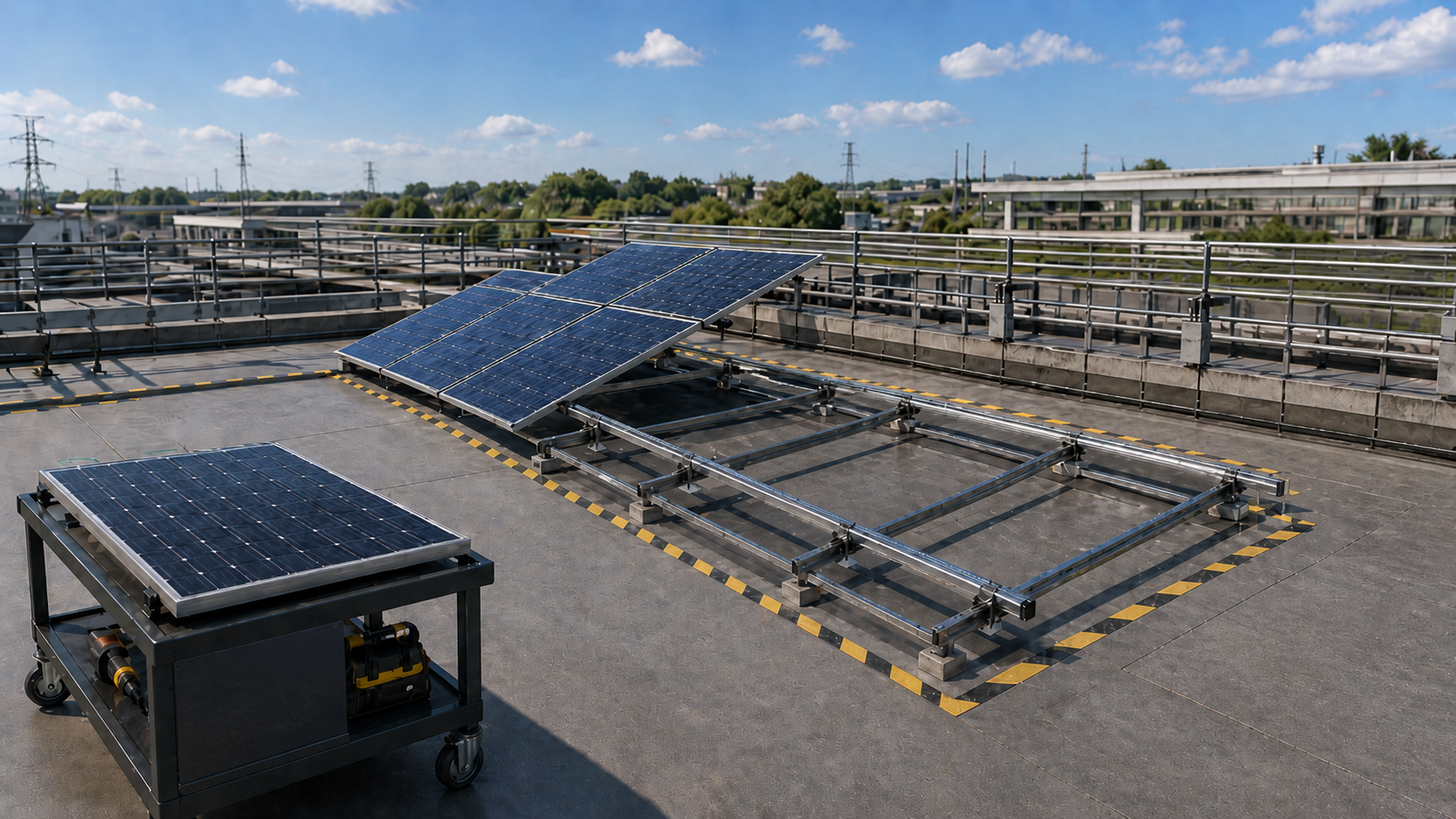
Featured Use Case: Solar Training
Isocline is developing a specialized solar training experience designed for both performance and safety.
Scenario-based installation practice for field teams.
Training for identifying safety risks in high-voltage environments.
Homeowner awareness and virtual solar panel placement demos.
Estimated energy savings and technician performance metrics.
Our Process
Understand
We study the real-world procedure and technical requirements of your team.
Build
Our team develops the 3D environment and interactive assets based on your specs.
Interact
We add interactive logic, scenarios, and assessment triggers to the module.
Deploy
We test, deploy to hardware, and iterate based on training results.
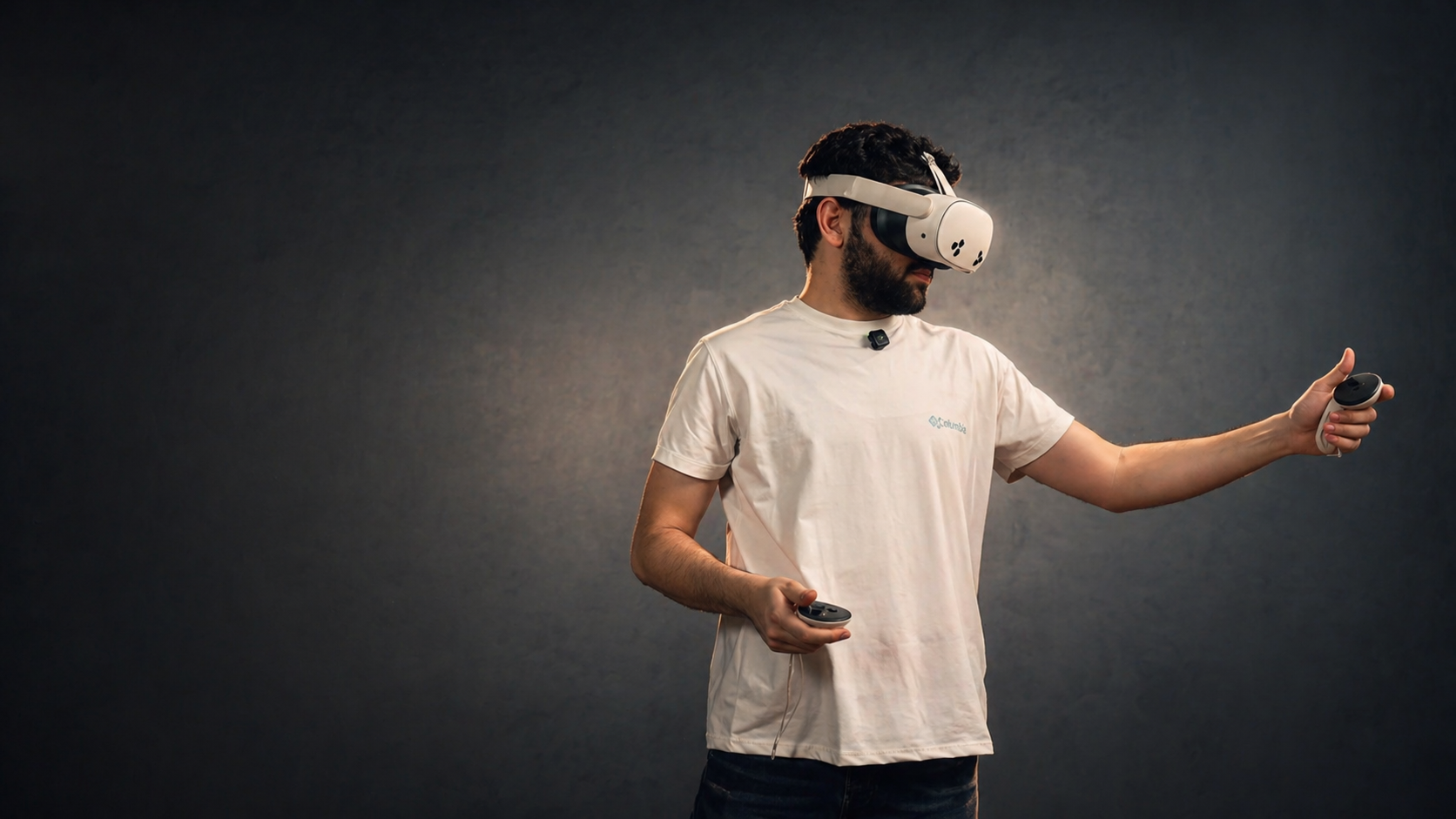
Interactive XR Experience
Feel the Training, Not Just See It
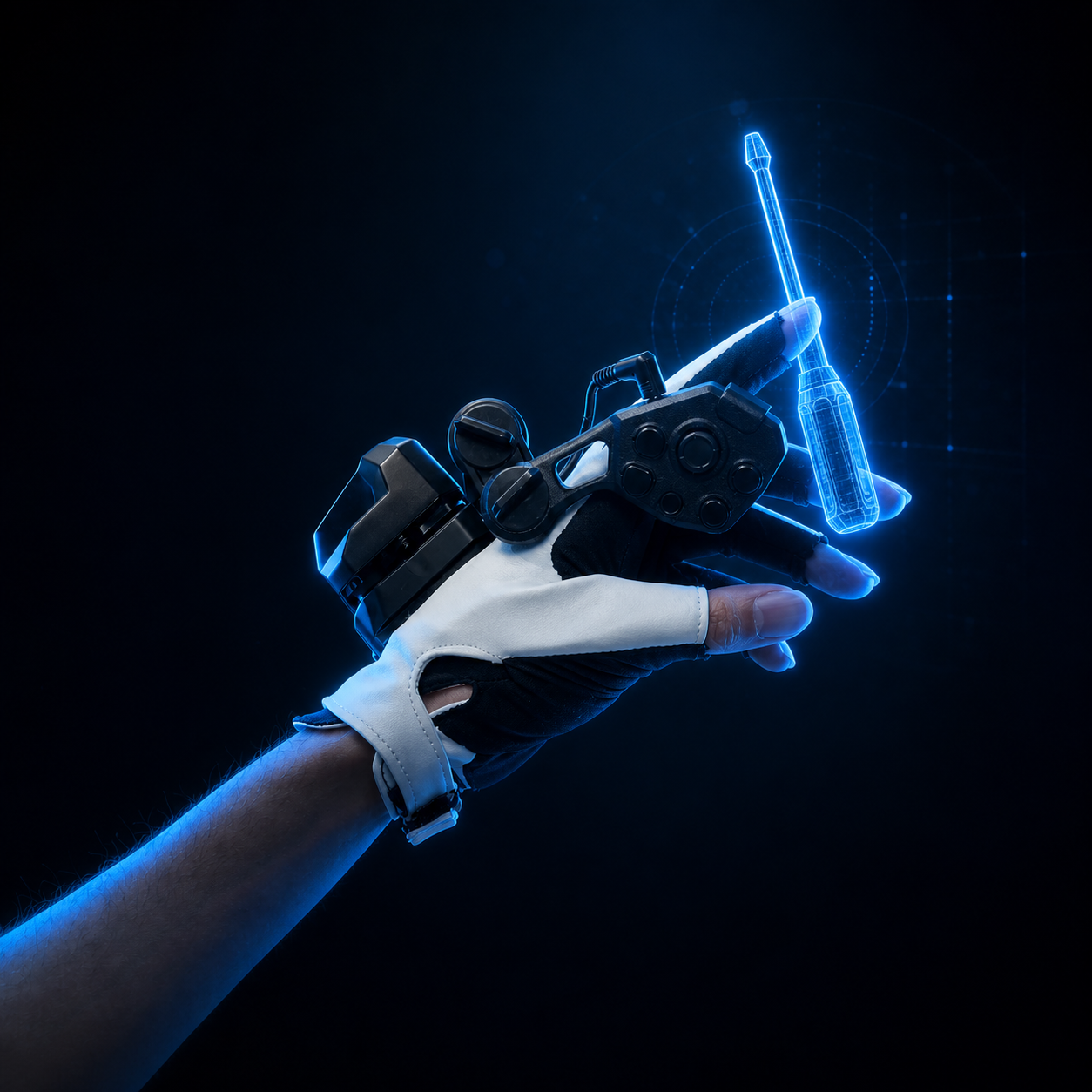
For advanced modules, Isocline can explore haptic glove integration to simulate connector clicks, tool contact, unsafe touches, and tactile procedural feedback inside VR environments.
Our haptic glove research focuses on adding that missing layer to VR training. By combining finger tracking, vibration feedback, and object-based interaction events, the gloves can help trainees practice procedures with more realistic hand behavior. This technology is an optional advanced layer that can be integrated with our standard training modules for high-stake environments.
Built for VR training environments using Unreal Engine and modular hardware integration.
Finger Tracking
Track movement to understand how trainees grip and interact with components.
Tactile Feedback
Trigger vibration patterns whenTouching tools or connecting components.
Safety Warnings
Alert trainees when they touch hazardous electrical components.
Data Collection
Capture interaction precision for performance assessment.
Build Your Next Training Simulation
Have a technical process, product, or training scenario that is difficult to explain with slides or videos? Isocline Labs can turn it into an interactive XR experience.